Skim Or Replaster: Which Does Your Wall Need?
A fresh skim and a full replaster can look the same once they are painted. What sits underneath decides which one your walls need.
What Is Skimming?
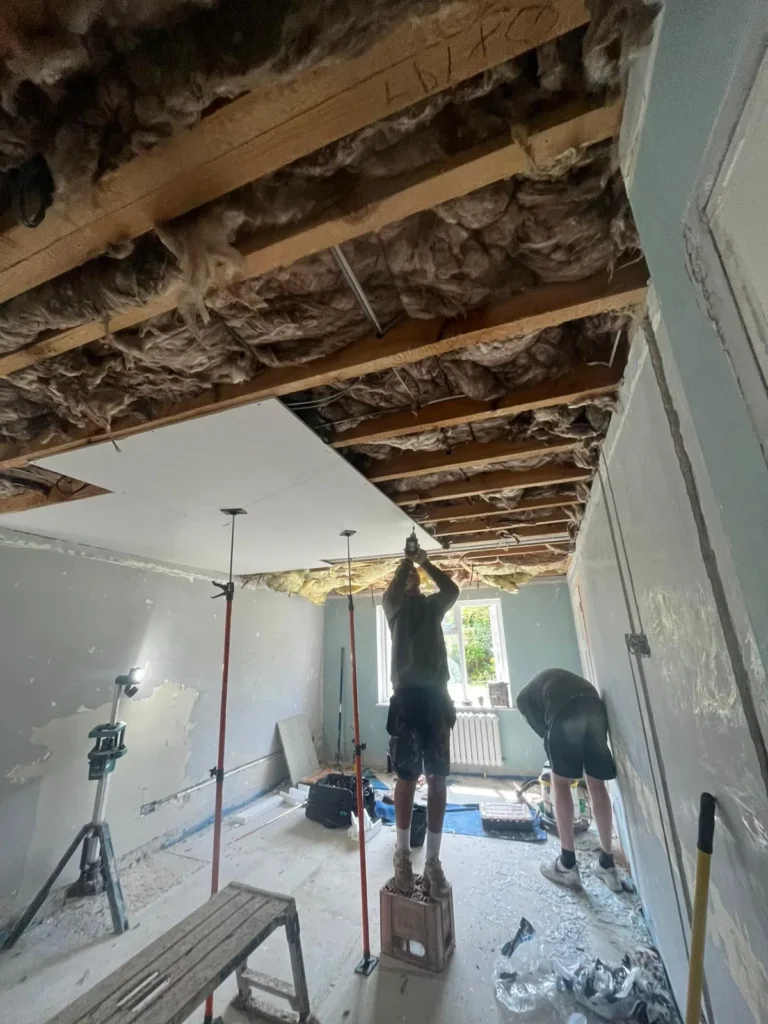
A skim is a thin finish coat of plaster, a few millimetres thick, applied over a sound surface. It gives tired or patched walls a smooth, fresh finish and is quicker and less disruptive than a full replaster.
What Is A Full Replaster?
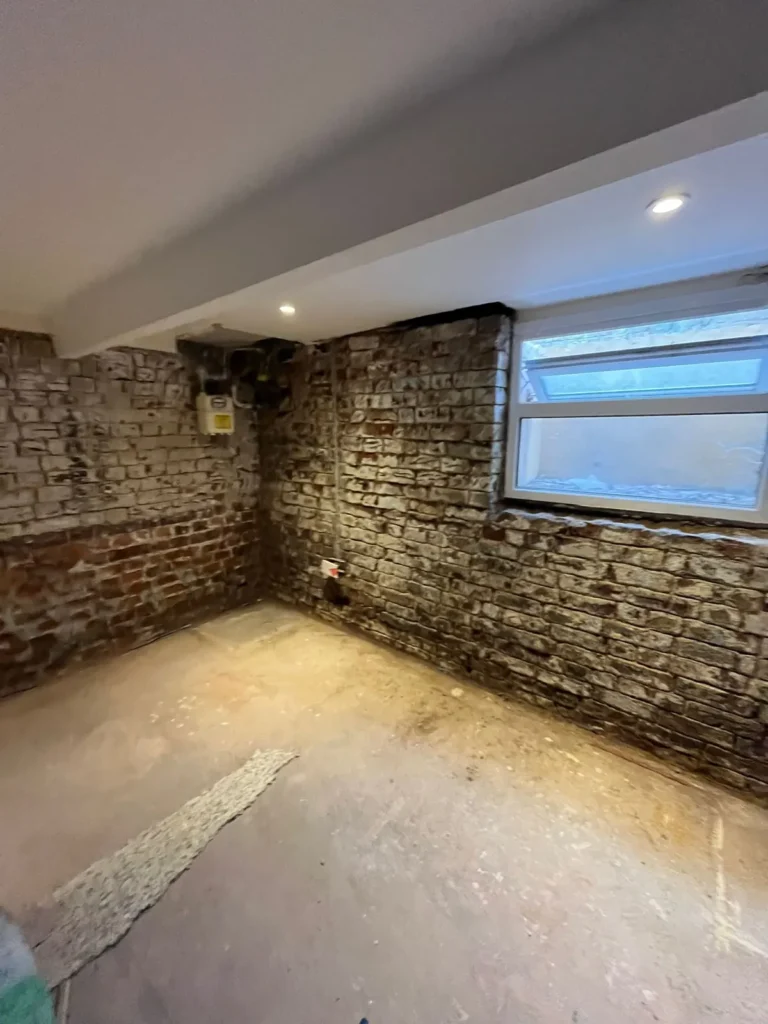
A full replaster means taking the old plaster back to the brick or block and building the wall up again with base coats before the finish coat goes on. It is a bigger job, but it fixes problems a skim cannot.
When A Skim Is Usually Enough
- The existing plaster is firmly bonded to the wall
- The surface is sound but marked, patched or uneven
- You are finishing plasterboard or a newly boarded ceiling
- An old textured coating is in good condition and just needs covering
When You Need A Replaster
- The plaster sounds hollow when tapped, or is coming away
- There are large cracks or crumbling areas
- The wall has been affected by damp and salts
- Old plaster has failed over a large area
A Quick Check You Can Do
Tap the wall gently with your knuckles. A dull, solid sound usually means the plaster is well bonded. A hollow sound over a wide area suggests it has come away from the wall and may need replacing.
How We Decide
We check your walls and ceilings before we quote and tell you honestly which option will last. If a skim will do the job, we will say so.