Rising Damp Or Condensation? How To Tell The Difference
Damp patches, peeling paint and a musty smell can all have different causes. Knowing the signs helps you get the right fix first time.
Why It Matters
Rising damp, penetrating damp and condensation can look alike on a wall, but each needs a different treatment. Treat the wrong one and the damp comes back, often after money has been spent on work that was never needed.
Signs Of Condensation
Condensation is moisture from inside the home settling on cold surfaces. Look for:
- Water droplets on windows, especially first thing in the morning
- Black mould in corners, behind furniture and around windows
- Damp that gets worse in winter, and in kitchens, bathrooms and bedrooms
- Patches high on walls and on ceilings, not just near the floor
Signs Of Rising Damp
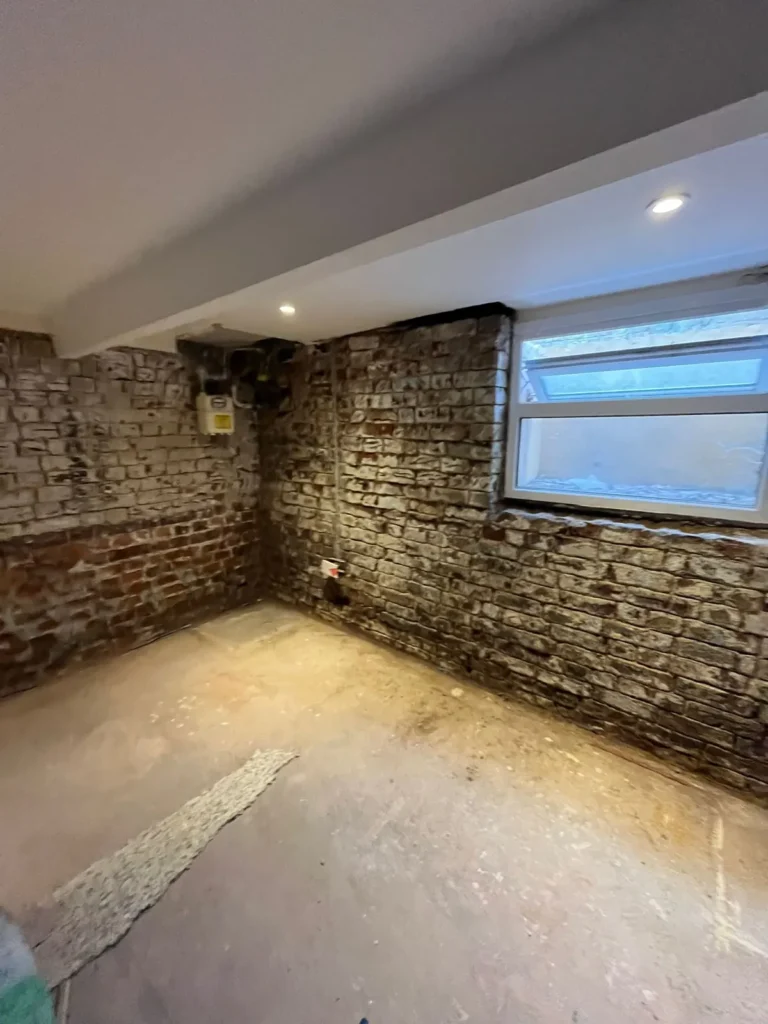
Rising damp is ground moisture drawn up through a wall, usually where the damp proof course has failed, been bridged or was never there. Look for:
- Tide marks along the lower part of the wall
- White, crystal-like salts on the plaster
- Paint or plaster that bubbles and falls away near the skirting
- Decay in skirting boards and floor timbers
Signs Of Penetrating Damp
Penetrating damp is water getting in from outside, through cracked render, failed pointing, leaking gutters or ground that is higher than the floor inside. It usually shows as patches that grow after heavy rain, often on exposed walls, and it can appear at any height.
What You Can Do Now
For condensation, open trickle vents, use extractor fans when cooking and showering, dry washing outside where you can and keep rooms gently heated. Outside, check gutters and downpipes for leaks, and look for cracked render or crumbling pointing.
When To Call Us
If the damp does not improve, or you see tide marks, salts or rot, it is worth having a proper survey. We take moisture readings inside and out, explain the cause in plain English and recommend only the work that is needed.