What We Offer
Home > Services


Conatct Us
- +447898198328
- info@justdomorerenovations.co.uk
- Serving Hertfordshire and Essex
Internal Plastering
Skimming
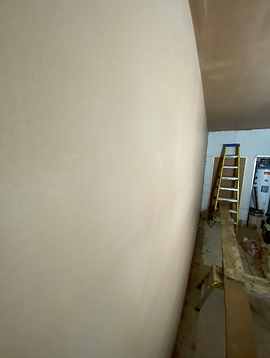
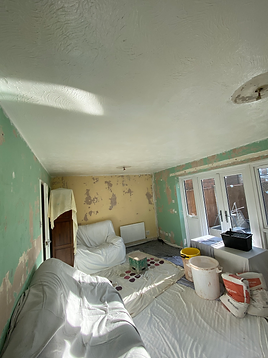
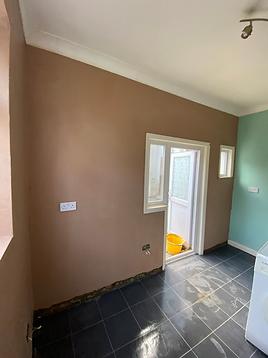
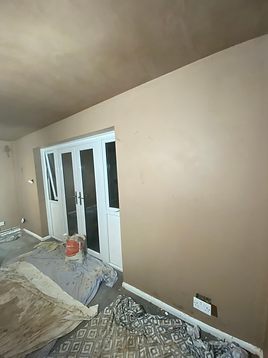
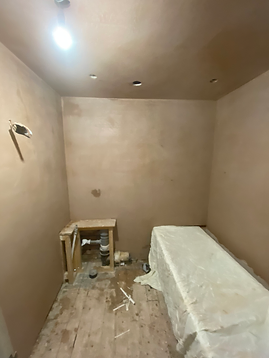
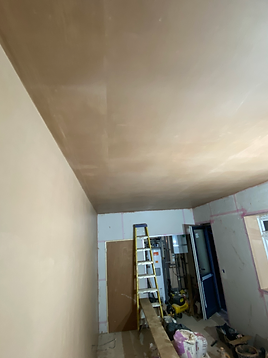
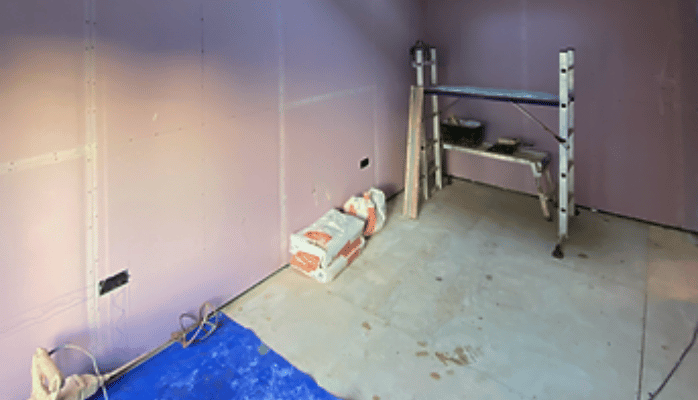
Skimming is a plasterer’s bread and butter. We use a material called ‘British Gypsum Multi Finish’. Nearly every internal finish will require plastering before painting. It can be applied to old existing surfaces and newly plaster boarded ceiling and walls. It leaves any property with a fresh smooth canvas to work on and can completely transform a room/property.
For old existing areas you would apply a coat or two of pva to create a key which allows the plaster to gel to the wall, preventing any debonding. Two coats of plaster are then applied leaving you with a fresh, smooth finish ready for paint.
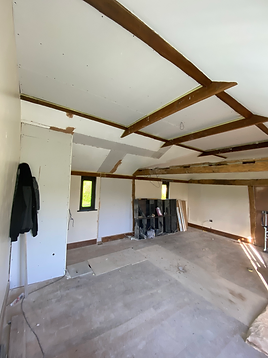
On newly plaster boarded areas, it’s a case of using a material called joint tape for the joins in the board which will prevent cracking and then two coats of plaster can be applied leaving you with a perfectly paintable surface.
Plasterboarding
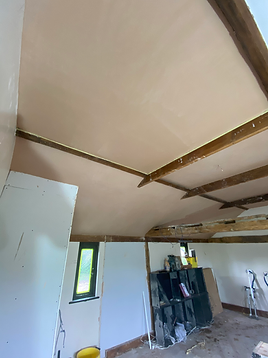
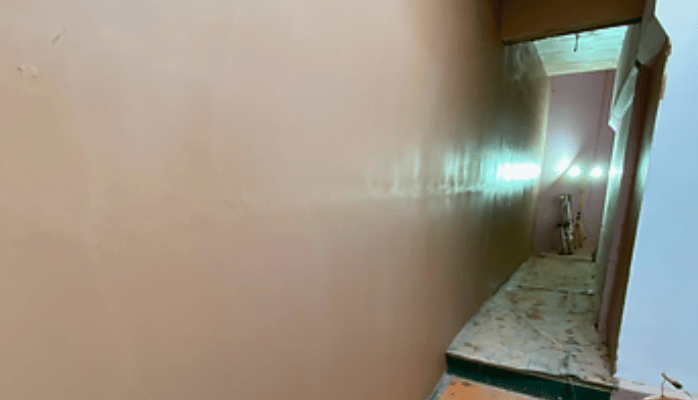
Plaster boarding is a very common material used in nearly every single new build property. This is due to two aspects, it is cost effective and time efficient.
It is a fairly cheap material in comparison to other options on the market and comes in sheet form making it easy to transport and apply to walls and ceilings.
It can be fixed to timber with drywall screws or existing brickwork with drywall adhesive. This is where the term ‘dot & dab’ comes from.
Once an area is plaster boarded it can be plastered and left ready to paint.
Float & Set
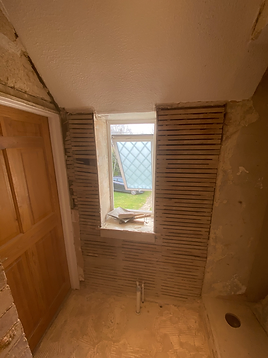
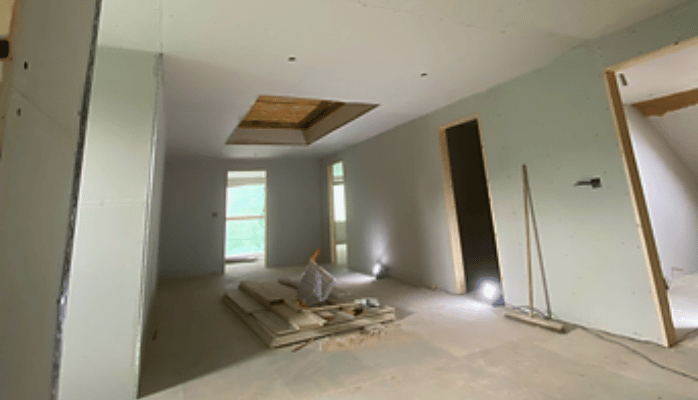
Float and set is a wet background plaster. Usually, hardwall or sand and cement is used for this background and then two coats of plaster are applied on top. You will usually find this method in older properties or properties that struggle with damp issues.
It is made up of two coats, a scratch coat followed by a top coat. It should be left with a key for the ‘Multi Finish’ coat to sit in and prevent debonding.
The reason this method isn’t used as much anymore is because it’s very labour intensive and therefor a bit more costly however on some walls it is necessary. For example, if the brickwork on the existing walls is weak then a sand and cement basecoat will help strengthen the wall and prevent further decay of the brickwork.
Bonding
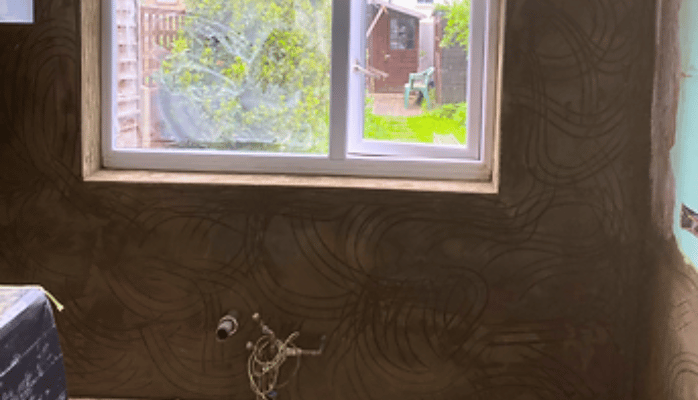
Bonding is used to fill chases in a wall after electrical work or for small areas which require more depth built out than multi finish would allow.
We also use bonding to produce curves in ceilings. It’s main purpose is to pull out areas to the required depth in preparation for plastering.
External Plastering
Sand & Cement
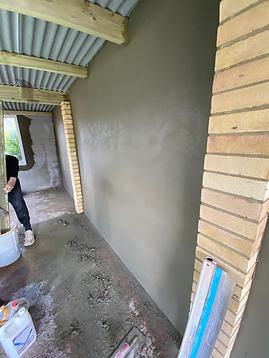
Sand and cement is a traditional art of plastering. There are many different styles you can produce with material. Sponge finish, float, slapped brush, swirls, block pattern and the list goes on. The most common is the sponge finish.
It is a relatively cheap option when it comes to external finishing compared to Monocouche, silicone and KRend.
The only downside to sand and cement is the fact you will inevitably get shrinkage cracks and not to forget it needs to be painted. In regard to the shrinkage cracks these are usually filled by a decent masonry paint.
Monocouche
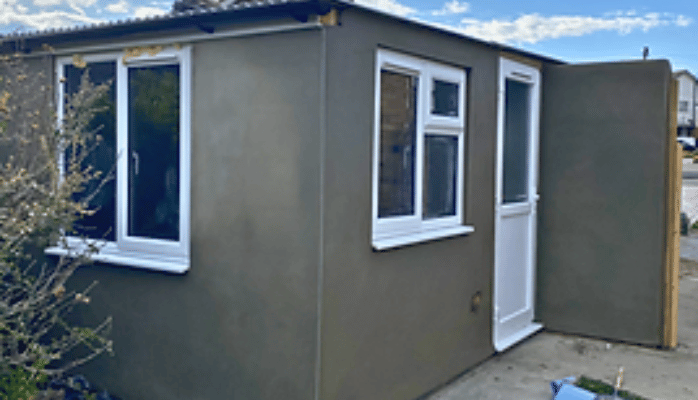
The name ‘monocouche’ means one coat, and monocouche is named as such because whilst it involves two passes, they come together to form one monolithic coat. The render is applied to the outside of a home or a building to improve its design, on top of some primer, in order to protect the home from damp and to give the property a facelift. It helps to give homes some more curb appeal, and it also acts as an insulator.
Monocouche is available in a range of colours and offers a good amount of breathability for your walls. Monocouche rendering typically gives a chalk-like finish, but is often likened to sand and cement render. The final look of monocouche rendering is a sleek, flat finish on the exterior of the house. The only downside to monocouche is the material costs, ranging from £12-£25 per 25kg bag.
Silicone
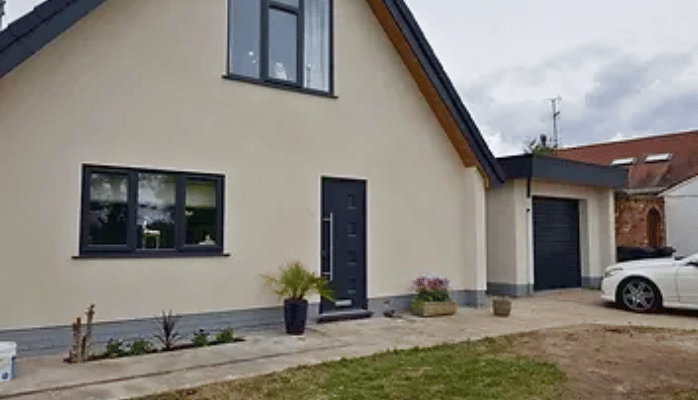
Silicone render is a cement-based render with added silicones to improve the mixtures weatherproofing properties. A silicone render system is not environmentally friendly due to the silicone mixed within the render. As well as this, both materials and labour for this system can be quite expensive.
The longevity is set to be 25-30 years.
Damp Proofing
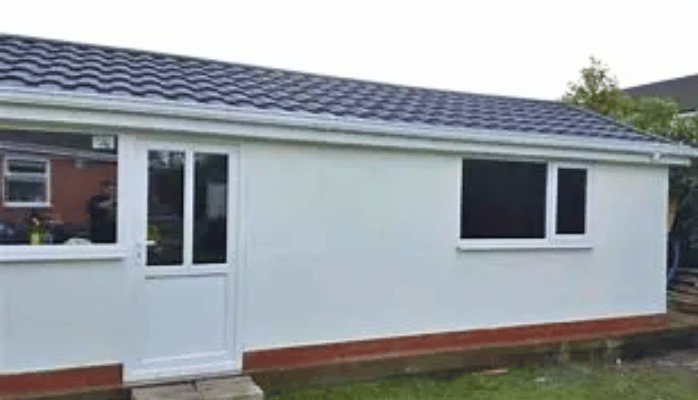
When it comes to damp issues within your property they can cause serious problems. Black mould on surfaces is just the start. The problem can quickly escalate and depending on where the affected area is, may potentially cause structural damage. We always advise customers to get damp issues sorted immediately as the longer it is left, not only does it cause more damage but will also cost considerably more money to put right.
There are three types of damp, penetrating, rising and condensation. There can also be a damp problem caused by retaining earth against a wall.
- Penetrating damp is usually found in patches on a wall and is most commonly caused by either failed guttering or a break down in the mortar within the external brickwork/cracks. You must find the cause of penetrating damp to cure it long term as it will only return if not.
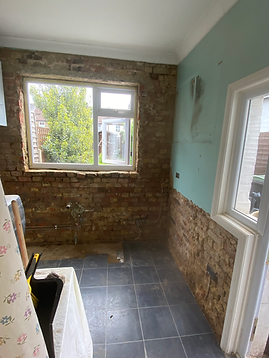
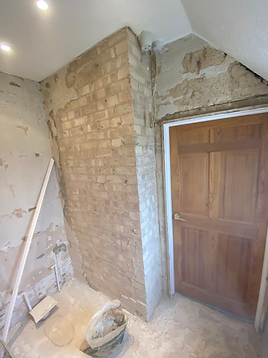
- Rising damp is pretty self-explanatory. It rises from the ground and is usually caused by a failed damp course membrane or lack of one. This problem is the most devasting of the three and it can quickly eat away at your internal finishes and cause serious structural damage if left for too long. We recommend hacking the defected area back to brick work and applying a liquid membrane cream into the mortar beds, which then forms a new damp course membrane. Once the brickwork has dried out properly, we then apply a two-coat strong waterproof sand and cement render to prevent any more issues arising. We would then replaster the wall ready for painting.
- Condensation isn't really an horrific damp issue and is usually caused by the lack of air flow through a property. A very common place for this would be your bathroom as sometimes your fan can pack up without you realising. A simple fix, just replace the fan. Another common area is where people hang their laundry to dry within the house. This is because the moisture from the clothes becomes trapped within the room if not ventilated properly. Once again a simple fix, leave a window ajar or hang the washing outside. If you have explored these options with no luck, then a 'pacifier vent' could be installed to the problematic rooms/areas. This vent pushes air in from outside and extracts it from the inside seamlessly without any noise.
- Retaining walls can also present a damp issue. You would usually find this problem within basements, so we offer a full basement tanking service which allows you to transform your basement into a dry, liveable area. We apply an 'egg cup style' system to the walls and floor of the basement, in effect creating a damp proof box. We then install a floor, along with plaster boarding the walls and ceiling to leave you with a nice dry space, ready for whatever you wish.
Extensions & Renovations
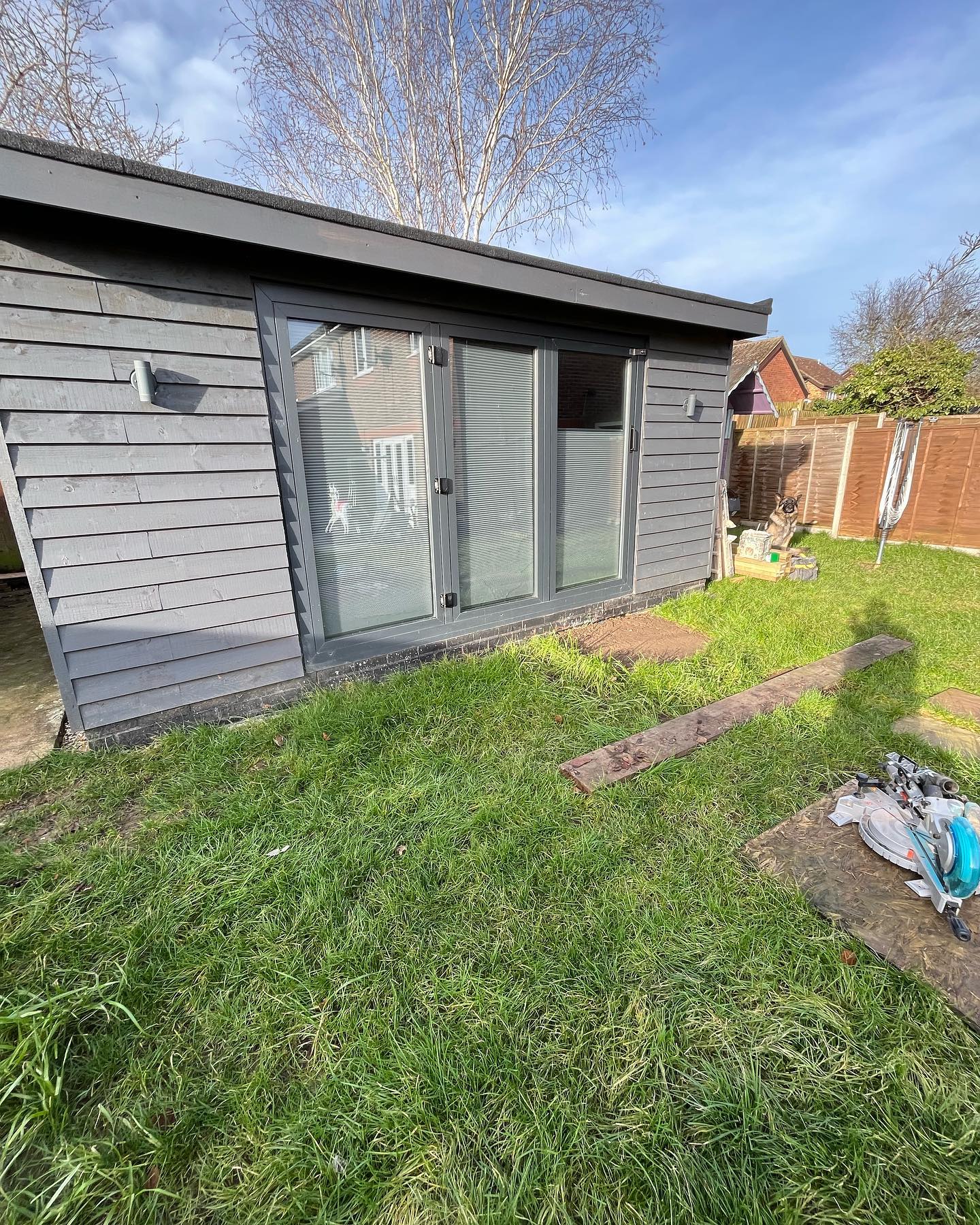
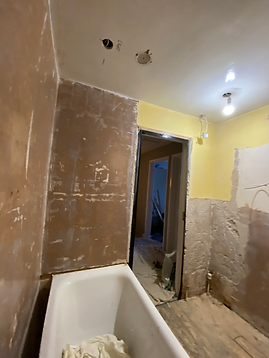
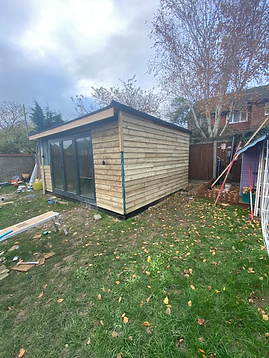
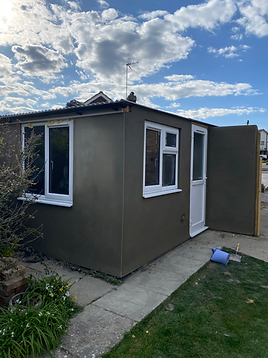
If you’re looking to give your house a makeover or looking to create additional space, then we can help you with that! From the first stages of your project right up to the point of it being finished.
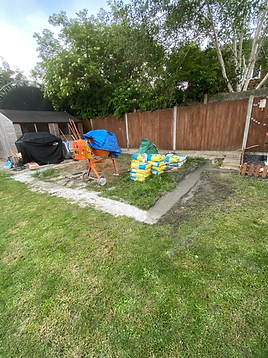
We take on all aspects of the job from groundworks, brickwork, electrics, plumbing, plastering, carpentry, painting and any final little touches you require.
Due to the nature of the work, we only take on three to four projects a year. We do this so that we can deliver the best workmanship in a respectable timeframe. We pride ourselves on this and our top quality finishes!
With every project being different we like to meet with our clients and get a strong feel for what they want created or transformed, which in turn helps us produce something that will leave you forever happy.